Wedding Planning
Your Wedding Rain Plan Needs a Walkthrough
Walk the alternative celebration from arrival to the last goodbye, with the people who would make it happen.
A practical wedding rain plan starts with a walkthrough: the arrival route, ceremony, changeover, supplier decisions and guest message.
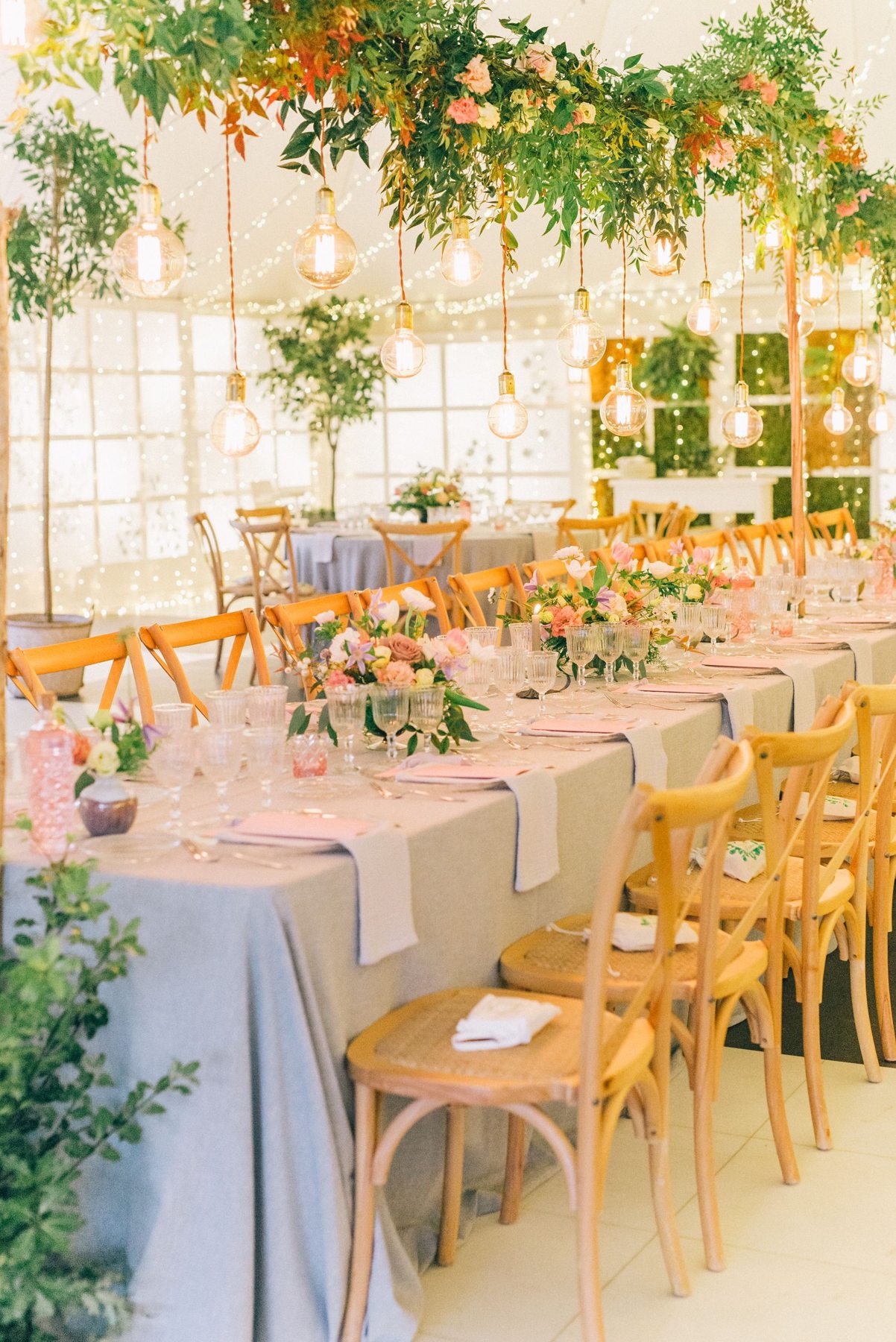
The alternative setting deserves a proper visit. When you tour an outdoor wedding venue, ask to walk through the day as it would work in wet weather. Start where a guest arrives, continue through the ceremony and meal, and finish where the last car collects someone. Bring the same attention you give the garden or terrace you first fell in love with.
Adeline Estate's own planning guide offers a useful prompt: it separates the ceremony, cocktail hour, reception and photographs, then discusses who makes the weather decision and when. Read the estate's wet-weather guide. Our recommendation is to turn that conversation into a walkthrough of your own venue.
Start at the entrance
Ask your coordinator to describe where a guest would be dropped off and which entrance they would use. Follow that route together. Where can someone pause, put down a wet umbrella or find the person welcoming them? If you have guests with particular access needs, ask how those needs would be accommodated on this route and discuss the details with them privately.
Repeat the exercise for suppliers. A reception layout is only part of the picture; the florist, caterer and musicians also need to know how they would arrive and reach their working areas. Ask the venue to confirm the agreed arrangements with those teams. Keep any unresolved questions visible instead of treating a promising conversation as a finished plan.
Look at the room with your people in it
Use your intended guest count and actual ceremony arrangement when reviewing the alternative space. Ask to see a layout with the aisle, seats, focal point and any equipment your team expects to use. A photograph of an empty room cannot answer every question about how your particular ceremony will feel.
Then talk through what happens immediately afterwards. If the same space needs to change from ceremony to dinner, where will guests go, who will supervise the change and what work must be completed before they return? Ask the people doing that work to agree the sequence. You can use our ceremony-to-reception room-reset guide to prepare the conversation.
Give the decision an owner and a time
Ask the venue and relevant suppliers what their setup requires before choosing a decision deadline. Record who will check the conditions, who has authority to decide and how that decision reaches the team. The aim is a clear handover that suits this property and this celebration, rather than a universal rule about deciding on the morning of the wedding.
If different parts of the day have different alternatives, name them separately. For example, moving photographs under cover may be a different decision from changing the ceremony setting. Ask your team how those choices interact. Follow the venue's and suppliers' safety directions; the planning conversation is about responsibilities, not making your own judgement about whether equipment or structures are safe.
Draft the guest message while there is time
Write a short message you could send if the arrangement changes: the entrance to use, the arrival time, any practical clothing note and a contact for questions. Have someone check it against the agreed plan. Decide who sends it and which channel your guests are expecting to hear from.
Before finishing the walkthrough, ask each team what they still need from you. Collect those answers in one place, with a person and next step beside each. A useful rain plan should let you picture the celebration you would actually have, including the welcomes, conversations and small comforts that matter to your guests.