Planning & Advice
Is a Restaurant the Right Venue for Your Wedding Reception?
Compare private dining rooms and buyouts, then test the minimum spend, seated layout, staffing and service against your plans.
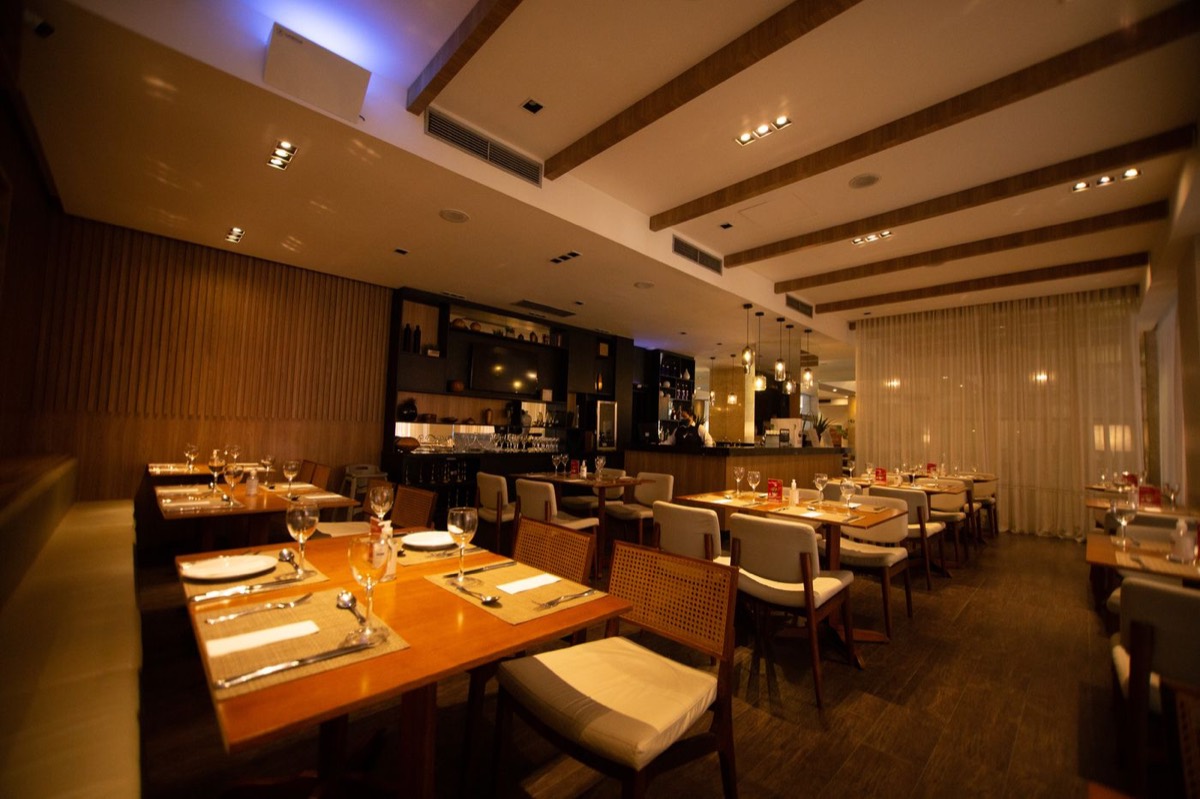
A restaurant wedding can save rentals and give the reception a sense of place if the room and pricing fit your guest count. Compare a private room, a partial buyout and a full buyout before you commit. Ask for a full bill at your actual headcount and a layout that shows how dinner, speeches and any dancing will work.
There are several ways restaurants sell event space. Published event pages from restaurants such as Mariposa in Charlotte and Manuela in Los Angeles show why it is worth asking about the details. Menus, minimums, cake handling and exclusive use vary by venue. Those examples describe individual offers, and they are not a price guide for your city.
Which type of restaurant reception suits your plan?
A private room offers separation while the rest of the restaurant may remain open. It can work for a seated dinner with a few speeches and little need to rearrange the room. Check if the entrance and toilets are shared, whether you can close the door and what parts of the restaurant guests can use while they wait. Some private rooms are separate enough for a microphone, while others sit next to a busy bar.
A partial buyout reserves a defined section or floor. Ask the restaurant to draw a line around what you control and explain what happens on the other side of it. A dedicated bar or separate entrance might make the arrangement work. A room open to regular diners may be less suitable if your celebration includes louder music, a ceremony procession or guests moving among several areas.
A full buyout gives your group exclusive use of the spaces listed in the agreement. It can simplify privacy and sound, but the restaurant may price it against what it expects to earn during regular service. Ask whether the patio or a second room is included, if there are separate permissions for amplified music, and when setup and breakdown need to happen. A buyout still has limits on what can happen in the space.
Compare the minimum with the complete quote
Some venues charge per guest, others set a minimum for eligible food and beverages, and some charge a rental fee as well. Ask for an invoice outline that shows room hire, menu, drinks, staffing, service charge, taxes and any other costs. Ask what happens if your final spend comes in below the minimum and whether taxes or fees apply to that shortfall.
Imagine a restaurant quotes a $6,000 food-and-beverage minimum and the menu and drinks come to $140 per guest. At 40 people the eligible total is $5,600. If your contract adds a $400 shortfall, the pre-fee subtotal is $6,000. At 35 people the menu and drinks are $4,900. A $1,100 shortfall would keep that same $6,000 subtotal. This example is illustrative. Verify whether your restaurant charges shortfalls in the same way before calculating the savings.
Price a couple of layouts or booking windows if you are flexible. A Friday dinner buyout may have a different minimum than Sunday lunch. A smaller room may let you reduce the minimum without altering the menu. An early dinner can also work if it gives your group enough time and guests understand when the venue needs to reopen. Ask for every option to be priced for the same headcount and format.
Walk the room as if the wedding is already happening
A venue’s published capacity is only a starting point. Ask for the seated count with a head table, a cake station, a bar queue and whatever floor space you need for dancing. Walk the route from the front door to a seat and to the accessible washroom. Ask where guests can wait if some arrive early. Check where coats, gifts and equipment will go.
Have someone listen from the farthest seat while another speaks from the place you plan to give toasts. If a microphone is needed, confirm whether the restaurant supplies one, can connect it to the house sound or expects your DJ to bring a speaker. Ask whether there is a hard finish time for music and how the room behaves when staff are clearing plates.
Test the kitchen plan with a sample timeline. If 55 guests will order a choice of three main courses, ask the restaurant how it collects choices and what it needs ahead of time. If you want a long family-style dinner, check how the kitchen handles shared platters, dietary restrictions and time between courses. Ask about accommodations directly and share guests’ needs with their permission.
Keep the character and budget for the gaps
The tables, chairs and lighting can do much of the design work. Ask to see the exact furniture, linens and tableware included in the quote. If you plan flowers or candles, check what is permitted and how centrepieces will fit around platters and conversation. A good layout is often worth more than bringing in extra furniture you don't need.
Restaurant service may suit a meal-led event better than a ceremony with a long procession or several cultural elements that require special equipment, outside food or an open flame. Bring those needs to the first conversation. If the venue cannot handle a requirement, you may be able to hold the ceremony elsewhere and use the restaurant for dinner. Compare the total cost and travel before deciding.
Put the important details into the agreement
Ask who will be running service on the day, how final counts are submitted, when suppliers can load in and what the deposit covers. Check backup space for an outdoor component and the policy on cancellation or changing the date. Confirm any cake cutting, corkage, outside vendor, additional staffing and overtime charges.
Before you sign, compare the restaurant with your other venue option using a single list. Mark what each includes, what you need to hire and the time you have to arrange it. Choose the place that fits how you want your guests to eat, talk and move through the evening, along with what you can afford.
Build your comparison around service, not square footage
The same guest count can feel different in two restaurants. Check the way a server will travel from the kitchen to the farthest table and how guests will move between their seats, the toilets and the bar. Ask the venue what changes when you add a cake station, display table, musicians or a few extra chairs. If it accommodates 60 for a standing party but only 42 for seated service, use the seated figure when you decide how many people to invite.
Name the person running the room and ask whether the management team that sold you the booking will also be working it. Someone should be responsible for telling the kitchen when to pause for a speech and for telling the planner when dinner is ready. If the restaurant and an external planner are both involved, write down which team handles guest arrivals, seat changes and special requests. The handoff is especially important if another part of the venue remains open to regular diners.
Compare two menus by asking when food will arrive, how choices are collected and whether staff will call guests by place or table. For a family-style menu, try the scale of the dishes against the number of people at a table. When someone has an allergy or another dietary need, use the restaurant’s own process for collecting information and preparing the meal. Ask if staff want details in advance and who answers questions on the night.
Decide which restrictions matter before you sign
Bring up any ritual, performance or service need early. A restaurant may have a policy on outside catering, music, candles, rice, pets or furniture moves. It is easier to find a workable alternative if both sides know which practices are essential. Ask whether any proposed change requires a different room, an extra staff member or permission from the venue. If it makes the booking more expensive, add that price to your comparison while you can still choose another venue.
Walk through guest transport as well. Is it easy to call a car after dinner? Where can someone get out if they use a walker? If parking is limited, is there a garage nearby and will it still be open when you finish? If the ceremony is somewhere else, estimate the time between the two venues with real loading and drop-off points. A short distance can still be awkward if people are moving in a group or arriving in stages.
Ask how the room will be reset if a small ceremony takes place before dinner. The venue might have enough staff to move chairs quickly, or it may require guests to wait outside while furniture is rearranged. Identify a place the whole group can go, including guests who need a seat. If there is no workable waiting space, a different layout may be better than trying to run two formats in one room.
Write the booking decision in one page
List the spaces, number of guests, service hours and the agreed setup. Next to the headcount, note the deadline and the exact minimum spend or fee at that count. Identify the person who can authorize overtime or another round of drinks. Ask the venue to confirm which costs appear on the final invoice and which suppliers bill you directly. Keep a copy of the room plan and timeline with the written quote.
The last question is whether you can picture your guests there without having to keep making exceptions. If the venue suits dinner and conversation but you want hours of dancing, consider adding a separate after-party and pricing it before booking. If you want a meal-led event and the room already feels like somewhere you would enjoy spending an evening, keep the design simple and put the rest of your effort into service, accessibility and the people you want to invite.
Ask for a sample bill for a restaurant wedding
Send the restaurant a short list of what you want priced: the room from supplier load-in through cleanup, the number of guests seated, a meal and drinks plan, microphone use and any cake service. Ask to see the total if everyone attends and a second version at a lower count. Include any charges for guests staying late or a change to the setup.
If the first quote says tables and service are included, ask which tables, how many staff and what those staff will do. If you need the team to place personal items, sign guests in or reset the room after a ceremony, ask whether that work is covered. Otherwise, decide who else can handle it.
Finally, ask for a line confirming when the restaurant may reopen to the public. Early booking windows can suit a smaller wedding, provided the couple and guests have time to finish without pressure. If the event will end before people are ready to leave, decide what you are inviting them to do next and include any extra costs in your comparison.
For your next planning decision, plan a smaller wedding around travel and room blocks.
Frequently asked questions
- Is a restaurant wedding cheaper than a banquet hall?
- It can be if the restaurant includes furniture and staff and the minimum works for your group. Compare complete quotes, including rental, drinks, setup, taxes and fees.
- Does a restaurant buyout always include the whole building?
- Check the contract. A patio, bar or separate dining room can have its own terms. Ask which spaces, hours and guest entrances your booking controls.
- Can we hold the ceremony and dinner in the same room?
- Some restaurants can do it. Ask how staff will change the layout, where guests go during the change and what happens if you run behind. Check whether the ceremony has requirements the space can support.