Planning & Advice
Destination Weddings in 2026: Fewer Guests, More Personality
Choose a destination your guests can reach, then build a room block, weather plan and celebration around what makes the place meaningful.
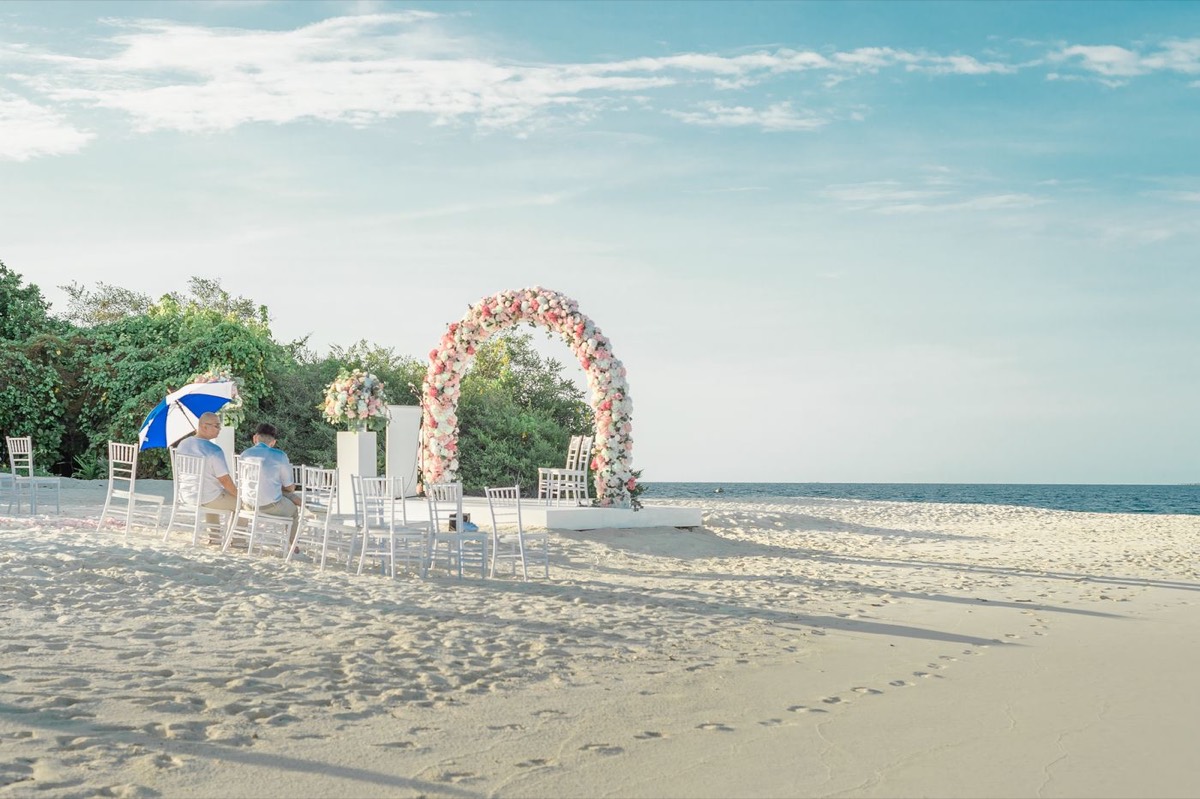
A destination wedding starts with a practical question. Can the people you most want there make the trip? A tighter guest list gives you more choices about where to go and what to do once everyone arrives. Price the journey and check the venue's backup plan before asking guests to book anything.
The Association of Bridal Consultants reports that some clients are choosing smaller, more intentional guest counts, with extra attention to customization and the experience once guests arrive. Fora’s 2026 report, based on its booking data and an advisor survey, describes interest in places that fit the kind of celebration couples want. Both are industry reports. They describe what those planners and advisors are seeing, and individual destinations and groups still have different needs.
Where should you hold a smaller destination wedding?
Start with the cities your guests are likely to travel from. Compare the trip from two or three of those places. Include flight frequency, the onward transfer, accommodation costs and the time guests need to take off. The flight price is only a starting point if someone also has to hire a car, pay for four nights and arrive a day before the welcome dinner.
Make a short list of guests you want to check with privately before you commit to a destination. Ask what would make it difficult to attend. One guest may need a step-free route and another may have a child whose travel times are limited. You can plan around some of those needs by changing the date, choosing a hotel with direct transfer or moving one event closer to guest accommodation. Other limitations may change your choice of destination entirely.
Take the same approach if the destination is a short trip from home. In a regional setting, look at the number of available hotels, access from the closest station or airport, and how people will get back after dinner. A beautiful isolated venue can work when the transport plan is strong. If you cannot arrange a reliable return for the group, a venue near accommodation may give you more freedom elsewhere.
Put the room block and the weather plan in writing
A reserved room block can make a trip easier, but ask whether it guarantees a rate, a certain room count or both. Ask the hotel for the last booking date, minimum pickup, cancellation terms and what happens if guests need different dates. Check whether you can release rooms in stages based on confirmed bookings. Some guests may want a second hotel at a lower price. Can they still use the shuttle and attend the welcome meal?
The indoor weather backup should work for your actual guest count and your actual ceremony. Ask to see the room in the layout you would need. If the beach is unavailable, can you hold the ceremony indoors while the restaurant prepares for dinner? Check private access, acoustic limits and the route for a guest with a wheelchair. Ask who makes the weather decision and when exhibitors, attendants and drivers will hear it.
Use an example to test the plan. Suppose you invite 38 guests, half staying at the venue and the rest across town. Rain forces an indoor ceremony at 4 p.m. The restaurant plans to open for dinner at 6 p.m. Ask where guests will wait when they arrive early, how long staff need to reset the room, and who will move the seating and audio equipment. The smallest wedding can still stall if the same room is promised for two things at once.
Make it personal with local details that guests can share
Choose one or two things that fit you and the place. A meal cooked by a local team, flowers that are in season or a welcome walk in a part of town your guests can reach can be enough. Ask the planner which details are easy to arrange locally and which require specialist equipment, permits or a longer setup. Where a cultural custom is part of the idea, speak with someone who can explain its meaning and how to include it respectfully.
A smaller group makes some choices easier. Everyone may fit around fewer tables. You may be able to host a relaxed breakfast instead of booking a large hall for another function. Give the main celebration a clear start time and keep some time free. Guests who have taken a long trip may want a quiet morning and a way to catch up with one another without another scheduled event.
Before spending on personalized extras, check the basics. Let guests know what the terrain, weather and dress expectations are. Give them an easy way to tell you about dietary or access needs. Put the return pickup location and schedule somewhere they can reach from their phone. A useful welcome note can do more for a wedding weekend than another item in the welcome bag.
What smaller groups need from hotels, planners and local suppliers
Hotels can quote realistic layouts, hourly access, weather alternatives and rooms for people who need them. Planners can connect the venue plan to transfers and make sure both guests and suppliers have the same schedule. Local suppliers can help by clarifying setup requirements, staffing, what might change with the weather and how they will handle a late guest-count adjustment.
If you quote smaller events, show the minimum charge alongside per-person costs. Couples need to know whether a final count of 34 instead of 40 changes the dinner price or only changes the layout. Offer a single point of contact for setup and provide enough detail for the couple's planner to compare venues fairly.
Compare the complete cost to the people attending
A destination budget has two sides. You pay for the wedding and any events, transport or accommodation you offer to cover. Guests may pay for flights, rooms, meals between events and the time away from work. Make a simple estimate for someone travelling alone and a household with two people. Use the dates you expect to ask them to book and include the prices for the nights you are actually recommending. You do not need to know everyone’s finances to see when a plan puts most of the expense on the guest.
Compare an alternate destination against the first one before placing a deposit. It may be more expensive to hire a desirable local venue and still less expensive overall for guests if they can arrive and leave the same day or use a direct flight. If the farther destination has something you and your partner are choosing it for, be honest about that value. Then decide what you can do to make the trip reasonable, such as arranging one dependable shuttle or suggesting more than one hotel price.
Avoid guessing about any person’s ability to attend. Give them an easy way to decline and offer a direct conversation for anyone with a specific access need. If someone essential cannot travel, ask whether a different date or a closer location would work before you sign a non-refundable agreement. A smaller wedding is easier to tailor only if the decisions are made before you lock in the itinerary.
Use a three-part checklist for the destination venue
First, check that the ceremony, dinner and weather plan fit. Ask the venue to show you the layout you will have at the headcount you expect. Ask where the musicians, ceremony lead and photographers will work, how guests will get to their seats and what happens when the group moves from one room to another. If you are relying on photographs or a virtual tour, ask the planner for a walkthrough from the entrance to the ceremony and dinner spaces rather than a highlight video.
Second, check who can do the work locally. Get written confirmation about outside vendor access, storage, power and delivery hours. If you are bringing attire, instruments or ceremonial items, check the transport and local requirements with the people responsible for handling them. For legal marriage requirements, verify the process directly with the relevant authority and the person conducting the ceremony. Couples sometimes choose to handle the legal paperwork separately from the celebration after they understand the venue’s jurisdiction.
Third, check what happens when something changes. Ask about the deposit, the date on which the headcount becomes final, whether your room can change and what happens if the weather forces the backup. Confirm who handles the decision and how guests and suppliers will be told. Ask for a number that guests can call if the transfer is delayed. Put the person in charge of the guest plan in touch with the person in charge of the venue plan before the wedding week.
Share an itinerary guests can use without calling you
Send the main dates and approximate costs before guests book travel. Once everything is confirmed, provide the venue addresses, arrival times, dress expectations, a plan for meals you are hosting and which functions are optional. Mark the pickup and return points with a map or recognizable landmark. Tell guests how much time they have between the ceremony and dinner and whether they need to move to a new location.
Build in breathing room. A welcome dinner and the wedding can be enough for some groups. If you organize one more activity, choose something that can be skipped comfortably and explain any costs. A relaxed schedule is particularly valuable if guests are arriving in waves, have young children or need an accessible transfer. Make sure the person who can answer questions is available during the actual arrival windows.
After you send the itinerary, test it with someone who has not helped plan the wedding. Ask them to explain where they go when they arrive and how they get back on the wedding night. Fix anything they have to guess. The test gives you a better sense of whether the weekend feels personal and manageable than another look at the venue gallery.
Small destination wedding example: a dinner for 36
Imagine you shortlist a garden venue with a 36-seat dinner layout and a hotel with a private terrace. Compare three things before you pay a deposit: the indoor backup, how people travel from the hotel to dinner and the minimum spend if the guest count falls. Ask both venues to draw the wet-weather layout with enough space to move and include it in the quote.
Then choose one local supplier decision worth doing well. If dinner matters most, schedule a conversation with the kitchen about dishes they can prepare for the whole group at the same time. If you want an outdoor ceremony, give the florist the actual height and width of the structure and ask what still works indoors. A detail is useful when it survives both wedding plans.
Either venue could be the right choice. The better one is the venue that gives you a workable evening for the people you are inviting and an alternative you would still be happy to use if the weather changes.
For your next planning decision, compare a private room and a restaurant buyout.
Frequently asked questions
- How small is a small destination wedding?
- There is no universal cutoff. Think in terms of the choices the count opens up, such as a smaller room, fewer transfers or a group dinner that the kitchen can serve together. Ask about an event’s seated capacity with your desired layout and service plan.
- Should we book a room block before inviting guests?
- Get room availability and terms early. Avoid accepting a large guaranteed block until you understand demand from your guests and the cost if rooms go unused. Give guests one clear link and a deadline when the reservation opens.
- What do we tell guests before they book?
- Give them the destination, confirmed date, approximate range for rooms and transfers, plus any minimum stay. Share what you know about travel, accessibility and the main programme. If important details are still open, tell them which ones and when to expect the next update.