Planning & Advice
Should You Change Into a Second Dress for the Reception?
Compare a bustle, detachable overskirt and second outfit. Plan the fitting, cost and reception timeline before deciding what to wear.
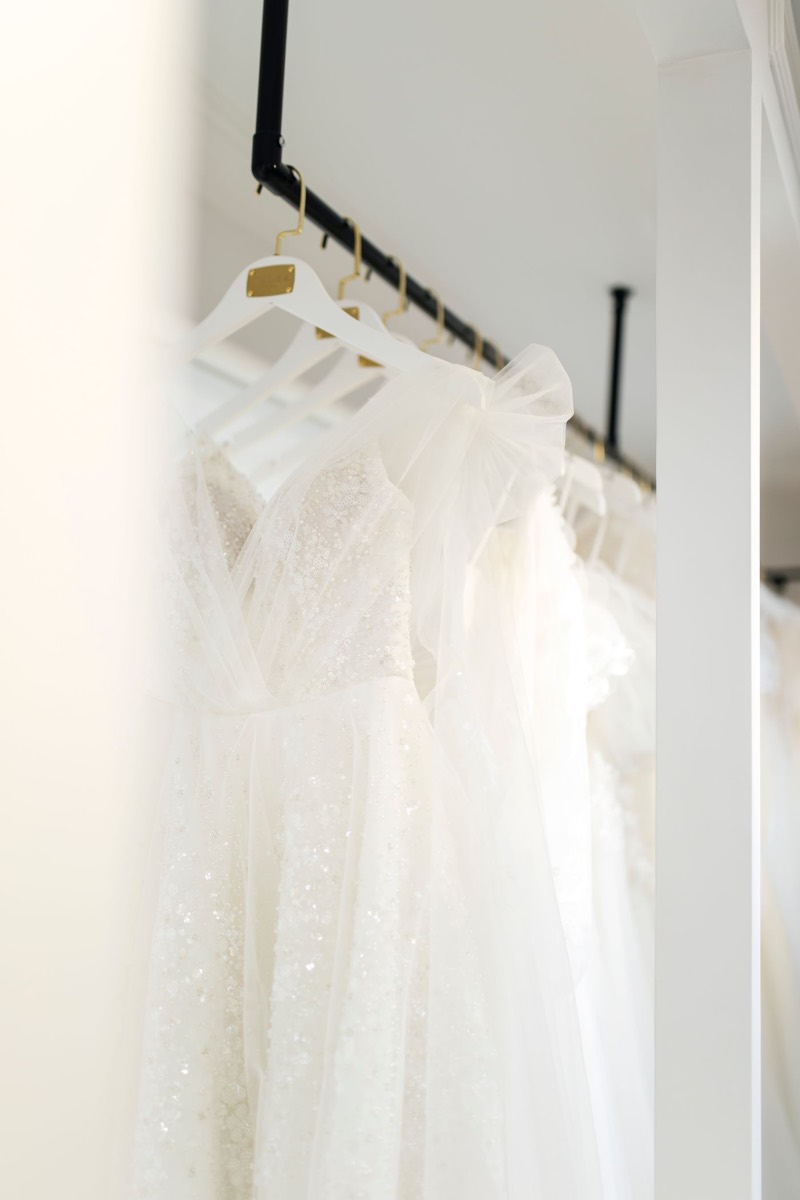
A second wedding dress makes sense when it solves a problem you can describe. If you love your ceremony gown but cannot sit, dance or move comfortably in it for the whole reception, a second look or a removable layer can give you the freedom you need. The decision starts with how you want to spend the evening and how much time you can spare to change.
Bridal retailers and trade publications, including David’s Bridal and Nordic Bridal, describe brides looking at shorter reception dresses and convertible gowns. Those are observations from people who sell and fit bridal wear. They show how much choice is available, and they are no reason to buy another outfit if the one you love already works.
Do you need two wedding dresses?
Try your ceremony clothes the way you expect to wear them on the day. Sit for a few minutes, take long steps, turn, bend to stand up, raise both arms and practise a dance turn with your partner. Wear the planned shoes or a pair with the same heel height. A quick walk to the fitting-room mirror tells you less than testing the moments when you need to move freely.
Write down what felt awkward. If an overskirt swept over the chairs, see whether removing it fixes the problem. If you could not sit comfortably because of a tight bodice or a narrow skirt, a shorter train might have no effect. An outfit you enjoy for an hour can still be worth wearing for the ceremony if you have a different option ready for the meal.
The conditions also matter. For a garden ceremony and an indoor reception, you might want layers you can remove when you come in. If the ceremony itself includes several changes of posture or lengthy time on your feet, solve that part first. Ask your seamstress what changes are possible without altering the part of the silhouette you want to keep.
Compare a bustle, a removable layer and a second look
A bustle gathers up the train while you wear the same gown. It can make it easier to move around the room while keeping the fabric and fit you chose for the ceremony. Ask how it attaches and have the person helping you practise before the wedding. Make sure the arrangement holds while you move. If the gown still feels heavy or tight when bustled, the dress itself may be the limitation.
A detachable overskirt, sleeves or cape can change the shape more quickly. Test what the dress looks like underneath and how the fittings sit when the layer comes off. Check if there are visible tabs and whether a person can reach the fastenings without having to undo the whole outfit. Plan where the extra fabric will go once you remove it, especially if you have to travel to a second venue.
A separate mini, slip dress, jumpsuit or bridal suit gives you the most flexibility. It also has its own fitting, undergarments, shoes and transport plan. Try the complete look at one fitting. If you want to reuse the jewellery or shoes, check that they are comfortable with both outfits and that the second hem is set for the shoes you will actually wear.
Price the change as part of the outfit
Compare the full cost of the options you are considering. Ask for the first gown’s alterations and the price of adding a bustle. Get the cost of a removable piece, any alterations to make it work and whether you can have it ready in time. For a second look, add tailoring, accessories, garment transport, steaming and any room or attendant fee if you need separate help.
You may be able to use something you already own or choose a piece you would wear again. A fit you are happy with is more useful than a style that needs a last-minute alteration. Ask when the final fitting will be and what the boutique can do if the date moves or the garment needs a further adjustment.
Choose a point in the timeline when you can step away
Decide which moments you want photographed in the first look. For example, you might keep the ceremony outfit through family photos and dinner entrance, then change before dancing. Or you could change after the ceremony if staying in the gown through dinner would be uncomfortable. Tell the photographer, planner and venue which outfit goes with each moment.
Use a realistic example. The couple expects to change during dinner while staff clear plates. A photographer is scheduled to leave 20 minutes after dessert, and guests will move indoors for the first dance. If the outfit change needs a helper, a walk upstairs and new shoes, squeezing it into those few minutes may change the photographer's coverage. Choose a different time, plan a shorter change or ask about an agreed extension before the day.
Check that the changing space is private, accessible and available at your chosen time. Ask who has the key, if there is enough space to hang both outfits and where the ceremony clothing goes after you change. Leave a note with your planner or a trusted friend naming the person who will bring and collect each garment.
Make the second look feel intentional
Keep an element you like across both looks, such as a colour, earrings or a fabric detail. You can also embrace a sharper difference if it suits the party. Before you spend on a second outfit, look at photographs of how the two pieces move when you sit and dance. The fit and movement matter more than how closely two garments match on hangers.
Build a fallback into the plan. If dinner runs late, you might remove the train and stay in the first look until after the dance. If the second outfit is vital for comfort, move the change earlier and ask the planner to protect that time. The person wearing the outfit should be able to decide on the day without having to renegotiate the schedule.
Use a fitting to choose the right kind of reception outfit
Bring a description of the venue and what you expect to do after the ceremony. For an outdoor reception with uneven ground, ask about hems and shoes that let you walk without having to hold the skirt. For a dinner with several speeches, try sitting through a few minutes with your arms in a comfortable position. For a dance-led party, check whether you can bend your knees and turn without catching the fabric. Your stylist or tailor can suggest changes once they see how you actually need to move.
Check the fit after the proposed bustle or removable layer is in place. Ask the tailor to show you from the back and side so you can see whether the train drags or the fabric pulls across the waist. Practise with the person who will help you. A short video with the tailor’s permission can remind them of the order of the fastenings. Confirm what to do if a loop breaks and make sure the helper knows where the spare supplies are.
If you are choosing a garment you can wear again, resist buying it on the assumption that an adjustment will be easy. Take the planned shoes and undergarments to the fitting. Check that the outfit works with the jacket, jewellery or shawl you intend to add. Ask when alterations must be booked, how much adjustment is practical and when the finished piece can be collected. Allow time to try it again once it is complete.
Keep track of what each outfit needs on the day
Make a small list for each look. Include the garment, shoes, fastenings, undergarments and accessories that will be worn with it, plus where each item should be when you change. If the reception look is travelling to a different venue, send it with someone who will arrive before you and can hand it to the planner. Check whether the venue can hang a long garment and whether there is a place to change safely if the private room is unavailable.
Think about storage for the ceremony piece after the change. Decide who will hang it, take it home or return it to the rental company. If the wedding runs late, ask the venue where the garment can stay until the designated person collects it. A quick change feels easier when nobody has to improvise a handoff or leave an expensive garment sitting in a public area.
Keep the kit practical. A spare button, the correct shoes and an agreed private mirror will often matter more than a complete second styling team. If you do want a change to your hair or makeup, ask for the time involved and how it fits the timeline. The people doing that work should know where they are meeting you and when you want to be back with guests.
Ask whether the second look is worth the interruption
Look at the reception as a whole. If you want an extended first dance, time at every table and a quiet ten minutes together, work those decisions onto the same schedule. A long outfit change can be enjoyable if you deliberately leave room for it. If you only have a short time with guests, a removable layer or a change of shoes can solve the problem in fewer steps.
Make the final decision after you compare the costs and test the movement you care about. A second outfit works best when it lets you take part in the evening you planned. If the first outfit already lets you do that, there is nothing to fix.
Example timeline for a ten-minute reception outfit change
Your ceremony ends at 4:30 p.m., family photographs finish at 5:20 and you are due to enter dinner at 6:15. Keep the ceremony clothes on for the family photographs. Ask a helper to have the second outfit in the private room before 5:20. If you want the second look for dinner, agree a time to leave the cocktail hour and leave a few minutes for the walk back to the reception.
If you prefer to stay in your first look for dinner, change after speeches and before the first dance, with a signal agreed in advance between the planner and the music lead. Let the photographer know before you leave the room and arrange a brief portrait if you want one. Avoid using a fixed time that depends on the kitchen finishing a course exactly on schedule.
Practise a version that takes fewer steps. Take off the detachable layer and switch shoes if the main change becomes impractical. A helper can keep the second outfit ready while you decide when to use it. Agree that you can change your mind without having to explain the decision during the wedding.
For your next planning decision, agree on who can authorize photography overtime.
Frequently asked questions
- Is a reception dress necessary?
- Choose one if your ceremony outfit limits something you care about and changing will improve the evening. You can often solve a long train or extra volume with a bustle or a detachable layer.
- When should I change into my second dress?
- Pick an agreed pause when guests are already occupied and you are not due for photographs, speeches or a room entrance. Confirm the changing room and the person who will help before you publish the timeline.
- What if I want two looks without buying two gowns?
- Try a detachable skirt or cape, a bustle, a switch of accessories or a reception piece you already own. Test the change with your actual shoes and clothing so you know which option is practical.