Style & Details
A Beautiful Table Still Needs Room for Dinner
Design the reception for the people sitting at it, not only the photograph taken before they arrive.
Think about conversation, serving space, sightlines and comfort before filling the reception table with decor.
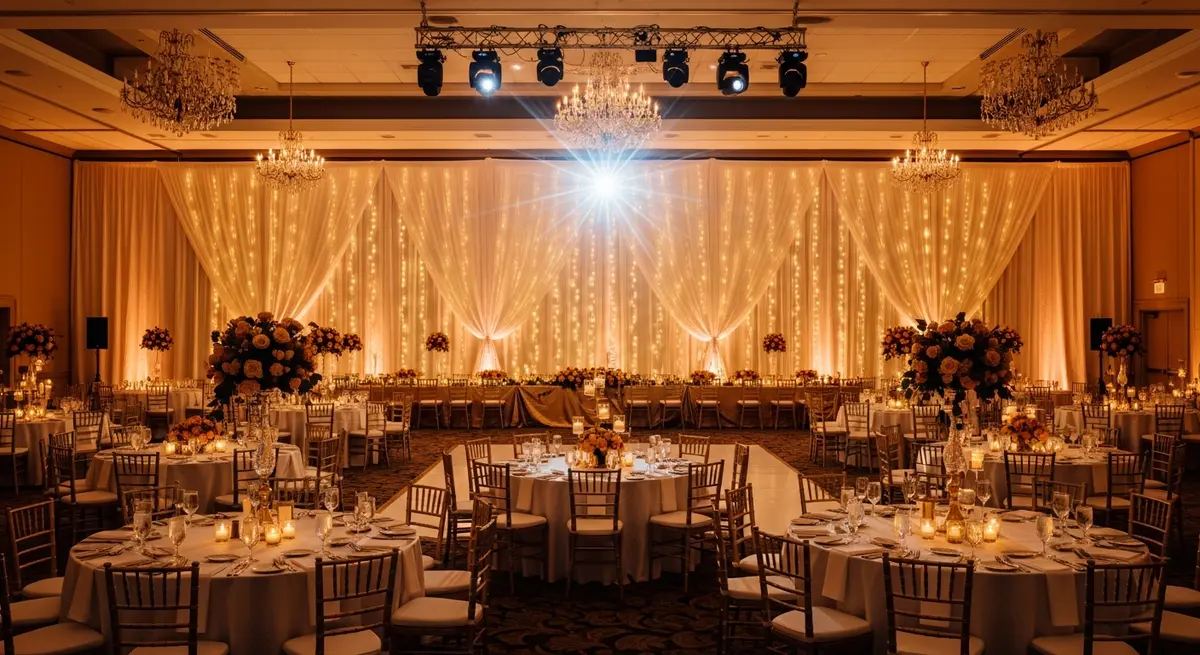
A reception table has several jobs. It holds dinner, gives people somewhere to talk and contributes to the atmosphere. The photograph matters, but it captures only one of those jobs.
Set a place for an actual person
Ask to see a sample place setting with the tableware and serving format you expect. Add water, wine if served, the bread plate, shared dishes where relevant and anything guests need to read. Now consider where elbows, bags and a conversation might go.
An empty table can make an arrangement look beautifully restrained. The same arrangement may feel crowded once service begins. Ask your venue, caterer and stylist to review the complete setup together.
Check the view across the table
A striking centrepiece can become a screen between guests. Look at the arrangement from seated height, not only standing beside it. If the room’s main feature is a view or a ceremony backdrop, decide whether the decor is helping or hiding it.
Consider lighting from the same position. Guests need enough light to navigate and eat comfortably. Confirm candle policies and any installation requirements with the venue rather than assuming a saved image can be recreated there.
Design around the meal
A shared feast, plated dinner and buffet create different needs. Shared dishes need landing space; service staff need workable access. Tell the designer how the meal will operate before finalising the objects that will occupy the table.
If cultural or family objects are part of the setting, explain their meaning and handling needs. Give them a deliberate place rather than squeezing them into whatever room remains.
Spend on the experience you want
Choose a few elements that carry the mood: linen, light, flowers or a meaningful object. Repetition and a clear palette can provide coherence without making every surface busy.
The useful test is simple: would you want to spend two hours at this table? If the answer depends on moving half the decor, the design is not finished.
Read our reception table and room-layout guide, explore venues and return to the wedding magazine for more details.