Culture & Tradition
Before the Moodboard: The Family Conversation
A practical way to make space for traditions without turning the wedding into a negotiation that never ends.
Build a shared ceremony plan around meaning, family priorities and the people who will guide the rituals.
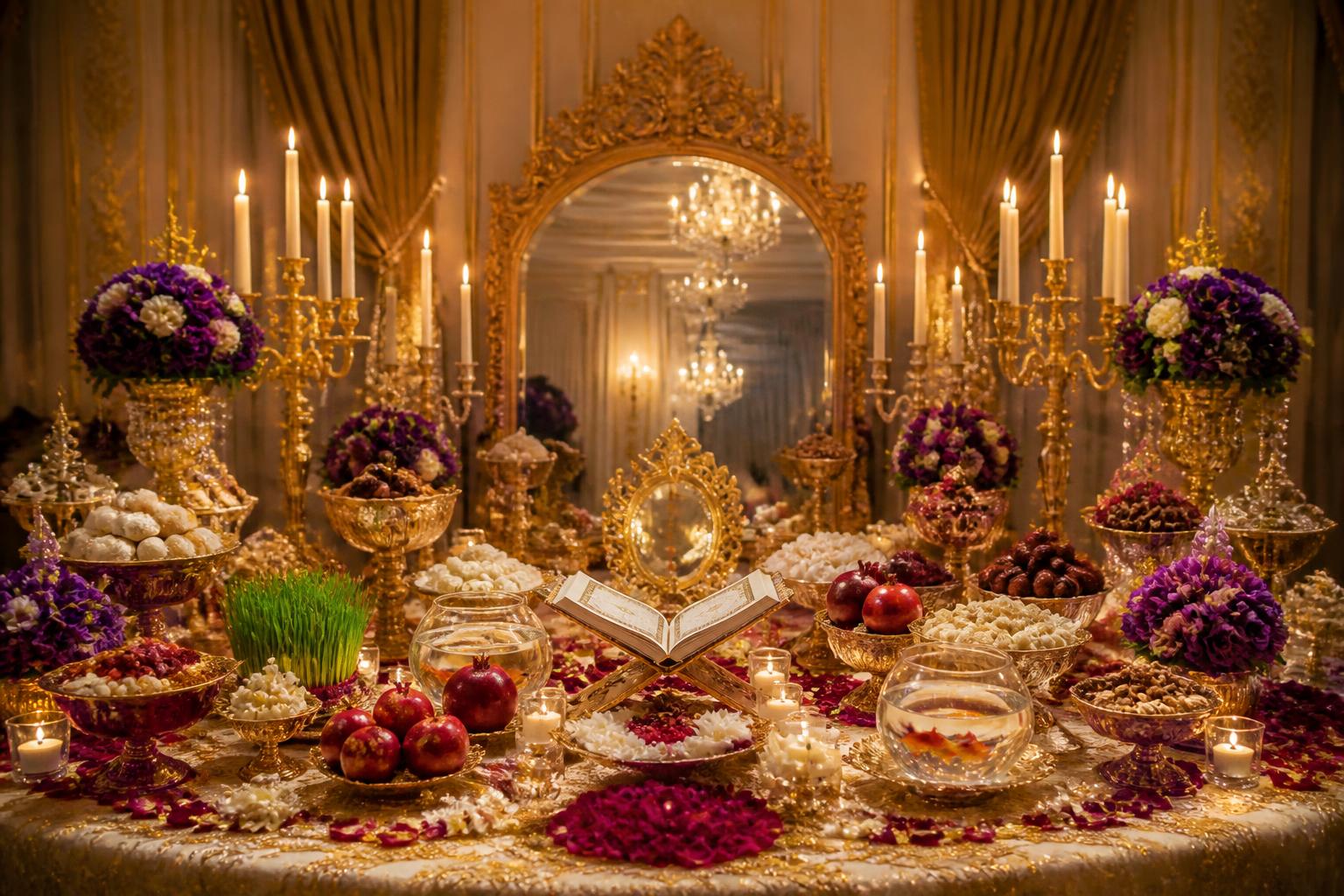
The first useful wedding meeting may not involve a venue, a florist or a colour palette. It may simply be the two of you asking what each family imagines when they hear the word wedding.
Start separately, then compare
Each partner can write a short list: what feels essential, what would be lovely, and what does not feel right for you. Include ceremonies, clothing, food, music, languages and the people you want involved. Agree what you want as a couple before asking everyone else to weigh in.
Keep meaning separate from habit. A ritual may carry religious significance, family memory, both, or neither for you. Two relatives from the same background may understand it differently. Treat a guide as a conversation starter rather than proof that a whole community celebrates in one way.
Ask for the story behind the request
When a parent proposes a tradition, ask what they value about it. Sometimes the meaningful part is a blessing, the participation of an elder or a particular family object. Knowing that can reveal options that a simple yes-or-no argument misses.
A useful working sheet has four headings: the moment, why it matters, who will guide it and what it needs. Add timing, space, translation and equipment only after you understand the intention.
Let the right people advise on the ceremony
Discuss the proposed sequence with the celebrants or community members involved. Ask what can be adapted, what needs to remain distinct and what guests should understand. Do not assume ceremonies can be merged simply because the schedule is tight.
If several languages are involved, consider a short programme explaining the main moments. It need not narrate every movement. A welcoming explanation can help guests participate without feeling tested.
Make decisions visible
Record what you agreed, who is responsible and which questions remain open. Set a date to settle those questions. A clear shared plan is kinder than letting different relatives carry different versions of the day.
Read the fuller multicultural wedding planning guide, explore the culture guides and use the planning hub to organise the next steps.