Planning & Advice
When Wedding Quotes Rise, Recheck Your Guest List and Venue Hours
Compare a smaller guest list, shorter venue hire and alternative rooms before spending less on an Indian wedding this season.
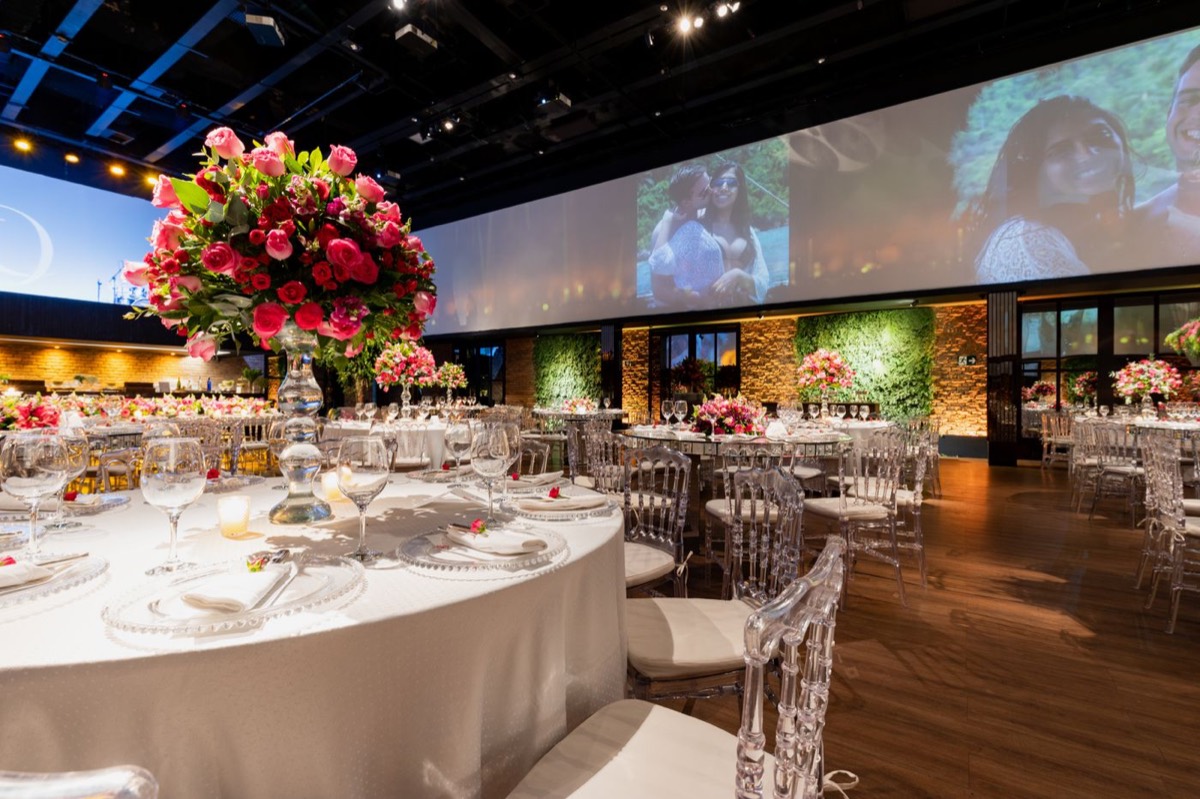
A higher catering quote can make a smaller wedding seem like the obvious answer. But if the venue charges a food-and-beverage minimum, removing 20 names may change the seating plan without changing the bill. Ask your venue and caterer to price two complete versions of the wedding before you cut the list or give up a space that works.
Business Standard reported in November that some Indian families have responded to higher food, clothing and venue costs by choosing smaller gatherings and more selective purchases. Mint also reported pressure on hotel rates at some luxury wedding properties, with planners describing a mixed market. Some families are scaling back while others continue to host large events. Use those examples as a prompt to review your own quote. The numbers that matter to your budget are the ones your suppliers will put in writing.
Which costs really fall when the guest list gets smaller?
Ask for a breakdown of guest-dependent, fixed and step costs. The bill for dinner plates and any per-person bar package may go down with the confirmed headcount. The photographer’s coverage and a fixed rental fee usually stay where they are if the booking is unchanged. Some charges move in steps. For example, a smaller group may fit a room with a lower minimum, or one less coach may be enough if guests can travel together.
Use the same event, menu and service standard in the two quotes where possible. Request the rental hours, staff, menu, taxes and fees on both versions. If one venue quote includes a staffed buffet and the other only includes room hire, you cannot compare the totals until you have priced the missing service.
Here is an illustrative calculation. Food is ₹2,000 per guest and the venue requires ₹350,000 of eligible food-and-drink spending. At 180 guests the food total is ₹360,000. At 160 guests it is ₹320,000, and with no other eligible purchases the venue would charge the remaining ₹30,000. The change saves ₹10,000 before fees or taxes, rather than the ₹40,000 suggested by the menu price alone. Confirm how your own venue handles a shortfall and whether service charges apply to it. If the smaller count gives you access to a room with a lower minimum, get a separate quote for that room.
Does a shorter venue booking actually cost less?
Ask for the time the family can enter, the time guests can enter and the time the last supplier must leave. If the venue bills for all three windows together, a shorter party may not reduce costs unless setup or teardown can also be shortened. If the venue quotes a fixed block, moving the start time may save nothing. Ask directly what they would remove from the invoice if you release an hour.
A shorter room booking can work when you are able to simplify how it is used. A single dinner service in one room can remove a room change. A florist may need less setup time if the venue already has a suitable backdrop. Using the venue's tableware can remove a separate delivery. Ask the caterer, planner and photographer to confirm that the revised schedule is realistic before you sign it.
Also ask whether you are moving an expense to another function. If a shorter sangeet means paying for a separate family dinner, put that dinner in the comparison. A second venue needs its own deposit, transport and setup. Savings become clear only when you compare the full plan from first arrival to the final event.
Decide which events need the full guest list
A smaller event doesn’t have to mean the same cuts at every function. Some families may keep a larger reception and hold a quieter ceremony or meal with immediate family. Others might keep the ceremony open to more guests and simplify the events around it. Before settling on a plan, discuss who needs to be present at each part, who travels between venues and who would be inconvenienced by a late change.
Put each event on a sheet with the likely headcount and who is responsible for confirming it. If you trim a gathering, tell the people handling invitations where and when those changes take effect. Be clear about which invitations apply to which functions, especially when guests are travelling as families. Keep the language personal and avoid leaving guests to infer that an invitation to one event covers the others.
If you have already signed for a room block, check its deadline and any promised minimum before changing the list. Early conversations with the venue give more time to offer unused rooms back. The hotel may have policies for reductions or changes. Ask them to show any new obligations in writing so you can compare them with the savings.
Keep the apparel and jewellery discussion separate
If clothes or jewellery are stretching the budget, decide what matters for the ceremony and which pieces can be worn again across events. Discuss pieces the family already owns or would be comfortable lending, and include alterations, accessories and return conditions when comparing options. Changing the outfit spend may preserve the guest list without changing the venue plan at all.
Keep optional purchases out of the contract numbers until you have a genuine quote. Then make one comparison showing the original venue, reduced headcount, shorter venue hours and clothing changes as separate decisions. This helps you see which change gives enough savings to justify the work and which decisions you can leave alone.
What to ask the venue or caterer this week
Request two prices with the same headcount deadline, menu and service assumptions. Ask what counts toward the minimum, whether staffing is included, whether setup and cleanup use paid hours and what happens if the event runs late. Ask for a written answer on children, vendor meals, additional dietary requests and charges for bringing outside food.
Write down the last day you can change the room, the guest count and the menu. If the smaller room is a better fit only at 130 guests, decide whether your invitation plan makes that number realistic. Give the family a date to settle the big decisions before you spend time refining optional details.
Build a side-by-side comparison your family can use
Start with four columns for the original plan, a smaller guest list, shorter venue hours and an alternative room. In each column, write the number of guests, venue rental, menu and drinks, equipment or décor, transport, service charges, taxes and any additional staffing. Add a final row for unresolved costs. If one option assumes that your family can reuse the venue’s furniture and tableware, mark that assumption and ask the venue to confirm it. Give family members one table to discuss so they are comparing the same plan.
Evaluate costs you have already paid separately. If a deposit is transferable to a different date or room, check whether there is a fee and when you must decide. If changing the plan means paying a new deposit, show both the old amount you may lose and the new amount owed. Compare what you would have to spend from today forward as well as what the revised wedding will cost in total. They answer different questions and help you understand whether a cheaper package is worth changing to.
Take the same approach to a menu change. A choice between a buffet and a seated meal can depend on labour, counters and seating, in addition to the cost of the food. Ask how long the kitchen needs to serve the full group and what happens if some guests arrive late. If the less expensive package moves the burden onto family members to manage food or clear tables, decide who would do that work. A quote should make clear what service is included.
Look at the venue block from the guest’s point of view
If the wedding spans a few days, a shorter hotel or venue block is a separate question from a shorter reception. Ask how the hotel decides which nights count toward the block and whether you owe anything for unused rooms. If a shorter block means some guests have to change hotels or travel farther at night, decide if the saving still makes sense. Confirm which rates and rooms are available before telling guests to change reservations.
Map the day for someone travelling with children and someone who cannot easily stand or walk a long distance. A new hall might cost less while creating a difficult route from the hotel or a long wait between functions. Before you switch, ask about arrival and pickup points, seating during the wait and when people can access the room. Budget for a taxi or additional vehicle where it is needed rather than assuming someone else will absorb the cost.
If the hotel proposes a lower rate with a bigger commitment, use the lowest likely occupancy to check the exposure. Compare it with the rate and policy for a smaller block. The less expensive night-by-night rate may come with a risk that does not fit a revised guest list. Ask for a version you can change as the invitation replies come in, then set a date to review the numbers together.
Decide what you are willing to trade for the saving
Make a short list of what you want guests to remember and what nobody will miss. You might prefer to keep a family ceremony intact and simplify a second meal. You may want everyone in a particular room but feel comfortable choosing a more limited menu. Give each proposed cut a specific dollar or rupee value and a specific trade-off. If you cannot name either, you do not have enough information to decide.
Discuss reductions with the people affected before announcing them. The venue should approve its new hours. The caterer should confirm staffing and menu. If relatives are handling separate events, make sure they do not book extra transport or a room on another invoice based on the previous plan. Write down the decision once, including the date it takes effect, and circulate it to the people who need to act.
Keep a margin for expenses you have not confirmed. When a supplier quotes one figure and several items remain open, the difference between your draft total and your budget is already partly spoken for. Hold off on optional spending until the essentials are signed. A smaller list works best when it gives you enough room to cover the wedding as quoted and the changes you know may still come.
Sample note to send before a venue reprices your wedding
Please quote our current guest count and the alternative count using the same menu and service. Show the total with the food-and-beverage minimum, rentals, staff, taxes and service charges. We are also considering a shorter booking. Please identify which paid hours would change, what the revised setup window would be and whether any charges would move to another part of the invoice.
Once the venue replies, give the caterer and planner the same numbers and ask where they differ. If the changes affect where guests stay or how they travel, price those adjustments before telling the family which option costs less.
For your next planning decision, calculate what an invitation changes in a quote.
Frequently asked questions
- Is a smaller wedding always less expensive?
- It can be, especially if you pay per guest or can move to a lower-cost room. Minimum spends and fixed costs reduce the savings. Ask for the complete price at both headcounts.
- Should we cut a function or shorten it?
- Compare the actual schedule and bill for each change. Cutting a function may save more if it also removes a venue, meals and transport. Shortening it can work if the venue allows fewer paid hours and the suppliers still have time to work.
- Can we keep the same guest list and still spend less?
- Yes. Compare a simpler menu, a different day or time, fewer venue moves, or a change to décor and wardrobe. Get the costs in writing before deciding which adjustment matters most.