Wedding Technology
EyeSpyR: Visual Intelligence for the Weddings.io Ecosystem
From inspiration photos to actionable planning data — how visual AI closes the gap between vision and execution.
EyeSpyR brings visual intelligence to Weddings.io — turning inspiration photos, venue shots, and setup images into precise planning data, sourcing, and accountability.
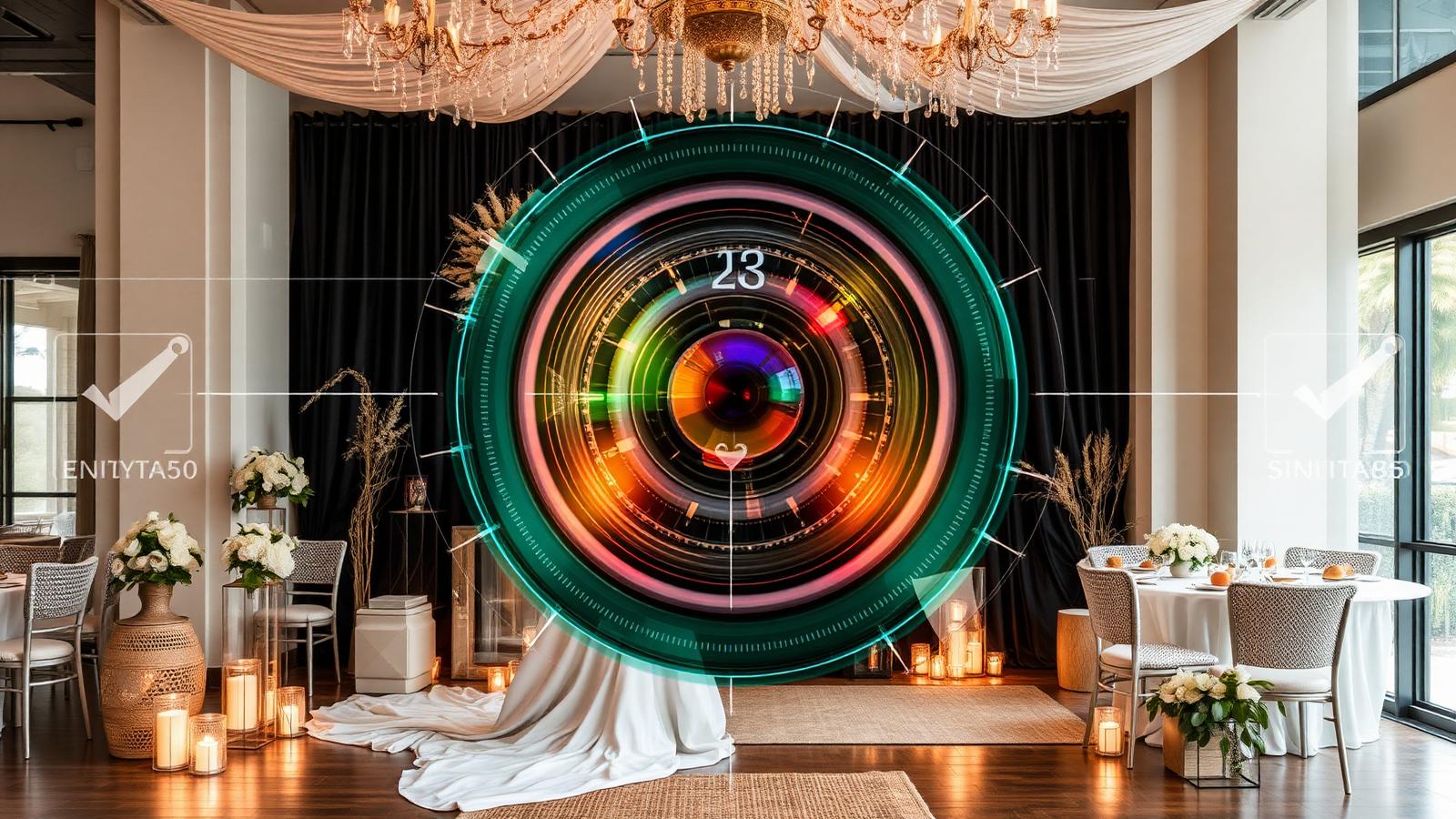
Wedding planning has always been a visual conversation. Couples send screenshots, planners send mood boards, vendors send portfolios — and somewhere between the inspiration photo and the wedding day, details get lost in translation. EyeSpyR closes that gap by turning every image into structured, actionable data inside the Weddings.io ecosystem. It is not a gallery or a mood board tool. It is a visual intelligence layer that makes images operationally useful at every stage of wedding production.
The problem EyeSpyR solves is not inspiration — couples have never had a shortage of inspiration. Pinterest, Instagram, TikTok, and bridal magazines produce more wedding imagery than any couple can consume. The problem is the translation gap between a saved photo and a vendor brief. A couple saves 400 images and then spends six hours trying to explain to a florist what they mean by 'romantic but modern.' EyeSpyR eliminates that conversation by reading the image directly and producing structured data the florist can quote against.
Instant Style and Decor Recognition is the most immediate EyeSpyR capability. When a couple uploads an inspiration photo — a magazine editorial, a photographer's portfolio shot, a screenshot from a real wedding — EyeSpyR analyzes the visual content and returns a structured breakdown of every design element it identifies. A single complex centerpiece becomes a component list: garden roses in blush and ivory, eucalyptus and ruscus greenery, a low mercury glass vessel, tapered candles at three heights, and pin-spot lighting at 2700K. The florist does not need to interpret. They receive a specification they can source against, price, and confirm.
The decor recognition extends beyond florals. EyeSpyR identifies drape configurations — their attachment points, fabric type (chiffon, organza, velvet, linen), color, and layering structure. It reads lighting setups: uplighting color temperature and placement, ceiling pin-spots, marquee letters, string light density, and gobo projections. It catalogs furniture — chair style, table shape, linen color, charger plate finish, and centerpiece height relative to the table — so a rental company receives a spec rather than an approximation.
Space and Layout Analysis addresses the second major planning failure: the gap between how a venue looks in photos and how it functions during a live event. Couples choose venues based on beauty. They discover the operational constraints later — when the mandap does not fit, when the dance floor is too small for a baraat entry, when the catering staging area blocks the guest sightline to the ceremony. EyeSpyR analyzes venue photos to estimate room dimensions, identify structural features (pillars, alcoves, staircases, ceiling height variations), and flag spatial conflicts before load-in day.
Upload a photograph of an empty ballroom and EyeSpyR generates a spatial analysis that accounts for table count, table shape, dance floor dimensions, stage placement, mandap footprint, head table configuration, cocktail zone, and catering ingress. The geometry that used to exist only in an experienced planner's mental model becomes a shared diagram that every vendor on the team can plan against. Sightline conflicts, camera position constraints, and exit path requirements are flagged before a single piece of equipment is rented.
Automated Inventory Tagging serves a different operational need: the vendor side. For rental companies, decorators, and caterers, EyeSpyR scans warehouse photos, setup progress images, and post-event breakdown photos to automatically catalog items. A warehouse scan identifies chairs by model, linens by color and size, charger plates by finish, candelabras by height, and drapery panels by type. The system counts, logs, and flags discrepancies between what was loaded on the truck and what appears in the setup photo at the venue.
The inventory accuracy problem at South Asian weddings is significant. A 500-guest Indian wedding might involve 600 chairs, 60 tables, 1,200 pieces of flatware, 180 charger plates, 60 centerpieces, and thousands of individual floral stems across multiple vendors. EyeSpyR gives rental companies and decorators a visual audit trail that reduces miscounts, prevents billing disputes, and surfaces missing items before the couple's family arrives to inspect the room.
Visual Progress Reporting is the EyeSpyR capability that most directly serves the wedding day itself. In the 4 to 8 hours before guests arrive, a wedding venue is a controlled chaos of competing vendor crews. The florist is hanging ceiling installations while the lighting team is rigging fixtures while the catering team is setting tables while the AV team is doing sound checks. The planner is coordinating 12 simultaneous conversations. Couples and families are in hair and makeup and cannot see the room.
During setup, vendors upload progress photos through the Weddings.io platform. EyeSpyR analyzes those photos against the original design brief and generates verified status updates: mandap complete, florals 60% installed, tables set, lighting unchecked. The Green Light Dashboard turns those photo verifications into real-time status nodes. The couple's family does not need to call the planner every 20 minutes. They open the dashboard and see the verified progress. The planner does not need to physically inspect every setup simultaneously — EyeSpyR surfaces the gaps.
Cross-Reference Sourcing closes the last major gap: finding a specific item after seeing it in a photo. A couple falls in love with a specific linen texture from a styled shoot in Vogue India. A planner spots a vintage brass charger plate in a real wedding photo and wants to source 120 of them for a reception in two months. A decorator sees a specific silk drape treatment and needs to find the fabric in three colorways. Previously, this sourcing process involved reverse image searches, manual vendor calls, and weeks of back-and-forth. EyeSpyR analyzes the item in the photo and searches the Weddings.io vendor marketplace for matching or near-matching available inventory — collapsing days of sourcing into minutes.
The compound benefit of EyeSpyR across a full wedding planning cycle is significant. In the vision-setting phase (8 to 12 months before the wedding), EyeSpyR converts inspiration libraries into structured design briefs that vendors can quote against accurately. In the sourcing phase (6 to 9 months out), it closes the gap between what a couple found online and what a vendor can actually supply in their market. In the venue planning phase (4 to 6 months out), it generates spatial analysis that prevents layout failures. In the setup phase (the wedding day itself), it provides visual verification that replaces the anxiety of the unknown.
Risk mitigation is the most undervalued EyeSpyR benefit. The venue photo analysis catches structural and spatial constraints that only surface as expensive day-of surprises in traditional planning workflows. A pillar that the photographer would be shooting through. A ceiling too low for the mandap the couple specified. A kitchen staging area that blocks the cocktail hour flow. A loading dock that requires the catering team to carry equipment through the guest entrance. EyeSpyR flags these in the planning phase, when they are design problems, not crisis management problems.
Vendor accountability is reinforced through the digital paper trail EyeSpyR creates. Every photo upload is timestamped and logged. The system creates a documented record of setup progress that can be compared to the original design contract. If a centerpiece does not match the agreed specification, the discrepancy is visible before the reception begins — not at the end of the night when the couple sees the wedding photos and realizes the roses were the wrong shade. This accountability layer protects couples and protects vendors who deliver correctly from being blamed for discrepancies created by others.
Integration with the broader Weddings.io platform makes EyeSpyR more powerful than any standalone visual AI tool. The decor recognition connects to the vendor marketplace, so a florist specification becomes a sourcing brief. The venue analysis connects to the timeline builder, so spatial constraints become scheduling constraints. The setup progress photos connect to the Green Light Dashboard, so visual confirmation becomes operational sign-off. The inventory tagging connects to vendor contracts, so what was agreed becomes verifiable against what was delivered.
Looking ahead, EyeSpyR's roadmap includes Augmented Reality walkthroughs that let couples step into analyzed venue layouts before a single item is rented. A couple would be able to put on an AR headset or use their phone camera to walk through a photorealistic rendering of their ceremony space as specified — adjusting mandap position, changing table configuration, swapping floral palettes — before committing to vendor contracts. The visual intelligence layer that currently operates on uploaded photos will extend to real-time spatial analysis of physical environments.
Visual intelligence is no longer a feature in wedding planning. On Weddings.io, EyeSpyR is the operational layer that connects vision to execution — converting the images couples collect for inspiration into the data vendors need to build, and confirming that what was built matches what was designed. For weddings where every detail matters and every vendor needs to be aligned on the same visual reality, EyeSpyR is the infrastructure that makes precision planning possible at scale.
Frequently asked questions
- What is EyeSpyR and how does it work for wedding planning?
- EyeSpyR is a visual intelligence tool built into the Weddings.io platform. It analyzes uploaded photos — inspiration images, venue shots, and setup progress photos — and converts them into structured planning data: decor component lists, spatial measurements, inventory counts, and setup verification.
- Can EyeSpyR identify specific flowers and decor items from a photo?
- Yes. EyeSpyR breaks down centerpieces, floral installations, and decor setups into individual components — flower types, vessel styles, fabric materials, lighting configurations — so vendors receive a specification they can source and quote against.
- How does EyeSpyR help on the wedding day itself?
- During setup, vendors upload progress photos through Weddings.io. EyeSpyR analyzes those photos against the original design brief and generates verified status updates that feed directly into the Green Light Dashboard, giving planners and couples real-time setup confirmation without requiring physical inspection.
- Is EyeSpyR included in all Weddings.io plans?
- EyeSpyR is integrated into the Weddings.io platform as part of the vendor verification and planning ecosystem. Contact Weddings.io for current access details and pricing for specific EyeSpyR features.